

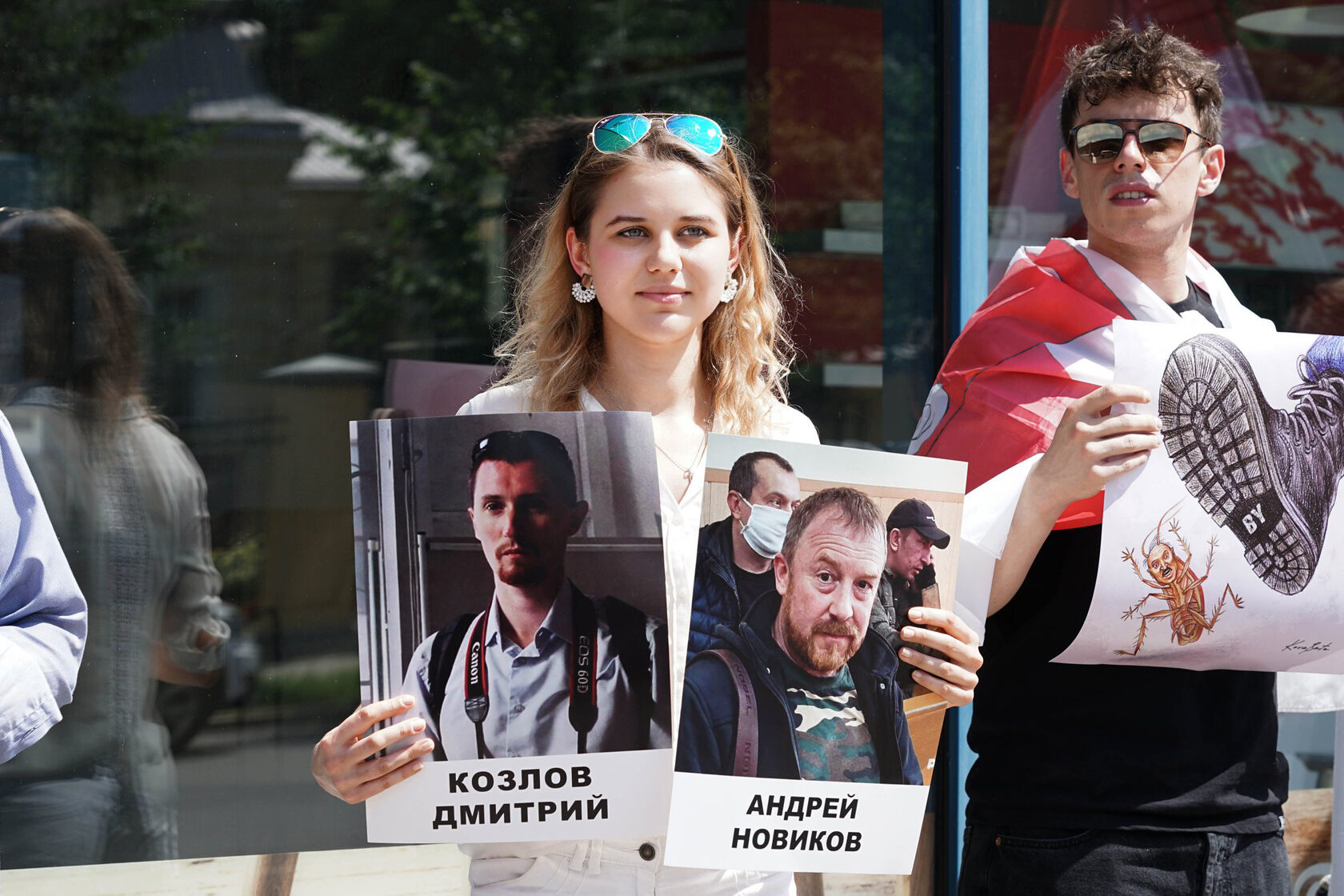
Photo: Viktoryia Andrukovich, Personal Archive
An article by Viktorya Andrukovich, a Belarusian activist and coordinator of the Dialogbüro Vienna program on Belarus. August 9, 2025 marks the fifth anniversary of the peaceful revolution and protests in Belarus. We are publishing this statement on this occasion.
On August 9, 2020, following yet another rigged presidential election and the "traditional" 80% claimed by Lukashenko, tens and hundreds of thousands of Belarusians across the country — in cities and towns — took to the streets to say “no” to 25 years of lies, power usurpation, total control, and violence. What the regime called a "political crisis" became, for most Belarusians, a rare opportunity to fight for their dignity — both as a nation and as individuals — to defend their rights and freedoms, their values, and their belief in a better, democratic future for themselves and their loved ones.
The whole nation united in this struggle — from striking factory workers to cultural figures, from ordinary Belarusians who took to the streets for the first time to politicians who had resisted the regime since Lukashenko first came to power.
Unfortunately, the peaceful protests were brutally suppressed. This resulted in thousands of political prisoners who remain behind bars to this day, dozens killed — both on the streets and in prison — tens of thousands detained and tortured, and more than half a million people forced to flee the country to escape repression and imprisonment.
The whole nation united in this struggle — from striking factory workers to cultural figures, from ordinary Belarusians who took to the streets for the first time to politicians who had resisted the regime since Lukashenko first came to power.
Unfortunately, the peaceful protests were brutally suppressed. This resulted in thousands of political prisoners who remain behind bars to this day, dozens killed — both on the streets and in prison — tens of thousands detained and tortured, and more than half a million people forced to flee the country to escape repression and imprisonment.
Where is Belarusian society now? How has it changed? And what comes next? These are the questions the New Belarus («Новая Беларусь») conference in Warsaw, taking place this coming weekend (August 9–10), will attempt to answer.
Dialogbüro Vienna will take part in the conference alongside numerous Belarusian experts and representatives of civil society and political structures. Together, they will reflect on the path taken, analyze past mistakes, and work toward building a new strategic vision for the future.
Dialogbüro Vienna will take part in the conference alongside numerous Belarusian experts and representatives of civil society and political structures. Together, they will reflect on the path taken, analyze past mistakes, and work toward building a new strategic vision for the future.
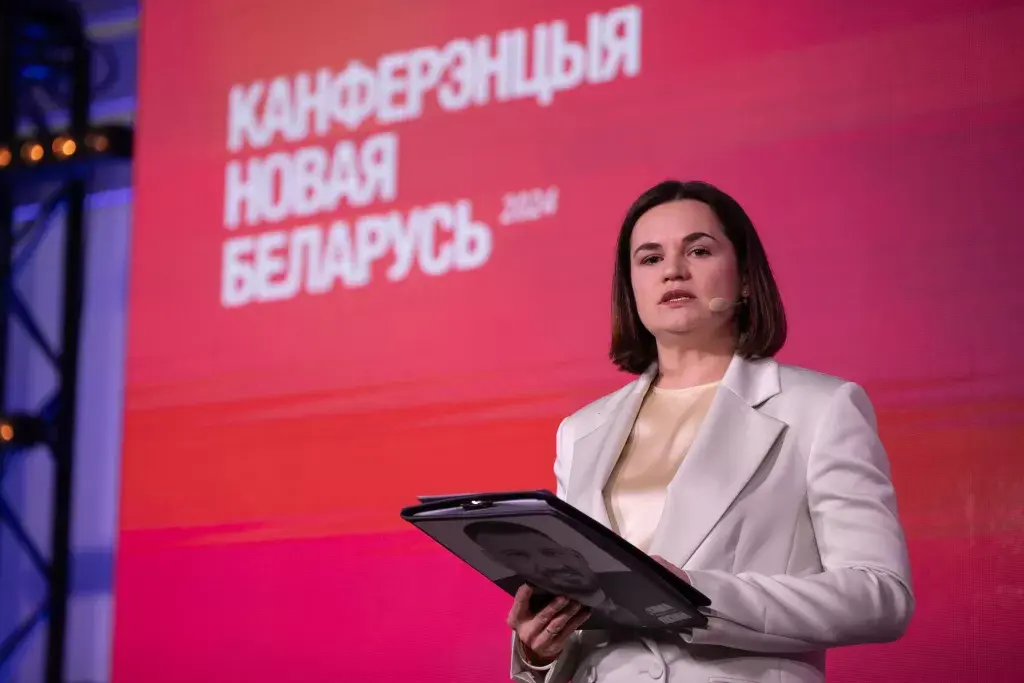
Photo: https://tsikhanouskaya.org/
Presentations of sociological research findings will show how Belarusian society and public sentiment have evolved — both inside the country and in the diaspora. They will also explore Belarusians’ attitudes toward the war, Russia’s military intervention, and Belarus’s involvement in it, as well as the growing divide between Belarusians inside the country and those in exile — a divide that requires careful analysis and thoughtful solutions.
Panel discussions at the conference will provide a chance to pause, look back at the last five years from a civic and political perspective, and honestly ask: Where are we now, as Belarusians? What remains of the hope of 2020? What do we need to move forward — from the past toward the future — and build a more effective strategy?
Even outside the conference, many Belarusian actors have come to the same realization: the fight for freedom and democracy is not a sprint, but a marathon. It is now especially important to revisit and rethink our meanings, ideas, and strategies — especially in light of a shifting global order, the arrival of a new U.S. administration, and growing military and political instability worldwide. These changes are reshaping the political landscape — closing some doors, but opening others.
Special attention will be given to issues of regional security and Belarus’s role in it. Alongside Belarusian military experts, Ukrainian, European, and NATO representatives will also take part. The discussions will focus on how to prevent Belarus’s direct involvement in Russia’s war, and how to stop Belarus from being used as Putin’s military staging ground.
The conference will also serve as a space for open dialogue on the most painful and uncomfortable topics — without fear, censorship, or self-deception. The final day will be dedicated to culture, the presentation of best practices and innovations in the civil and political sectors, and a series of workshops on various themes. Among them — for the first time in five years — will be a discussion on the possibility of dialogue with the regime. What might a roundtable with representatives of A. Lukashenko look like?
Panel discussions at the conference will provide a chance to pause, look back at the last five years from a civic and political perspective, and honestly ask: Where are we now, as Belarusians? What remains of the hope of 2020? What do we need to move forward — from the past toward the future — and build a more effective strategy?
Even outside the conference, many Belarusian actors have come to the same realization: the fight for freedom and democracy is not a sprint, but a marathon. It is now especially important to revisit and rethink our meanings, ideas, and strategies — especially in light of a shifting global order, the arrival of a new U.S. administration, and growing military and political instability worldwide. These changes are reshaping the political landscape — closing some doors, but opening others.
Special attention will be given to issues of regional security and Belarus’s role in it. Alongside Belarusian military experts, Ukrainian, European, and NATO representatives will also take part. The discussions will focus on how to prevent Belarus’s direct involvement in Russia’s war, and how to stop Belarus from being used as Putin’s military staging ground.
The conference will also serve as a space for open dialogue on the most painful and uncomfortable topics — without fear, censorship, or self-deception. The final day will be dedicated to culture, the presentation of best practices and innovations in the civil and political sectors, and a series of workshops on various themes. Among them — for the first time in five years — will be a discussion on the possibility of dialogue with the regime. What might a roundtable with representatives of A. Lukashenko look like?
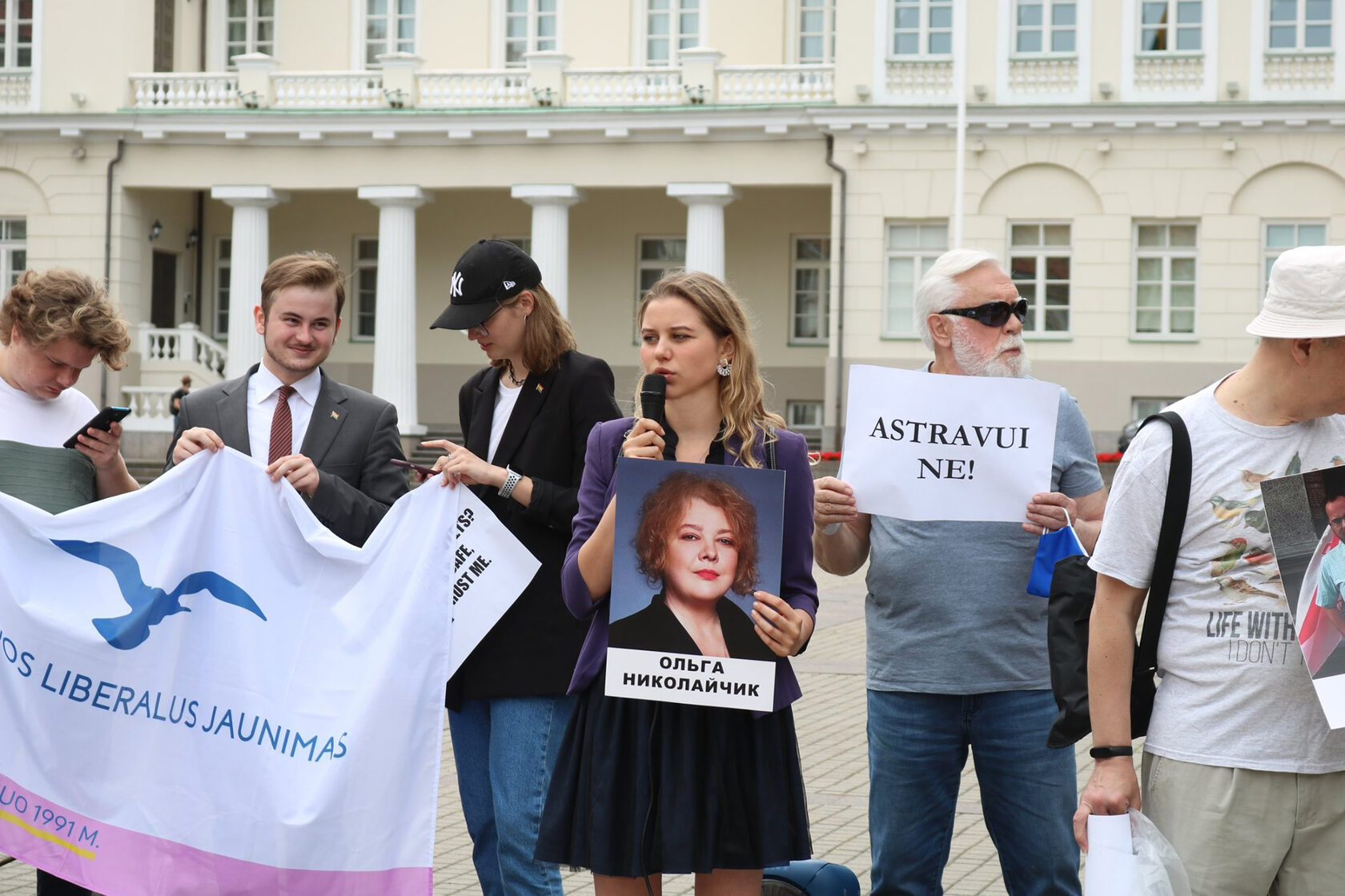
Photo: Viktoryia Andrukovich, Personal Archive
For years, Belarusians lived by the slogan “We will not forget. We will not forgive,” and categorically rejected any dialogue with the dictatorship. The chosen path was one of external pressure, sanctions, and resistance from exile. But five years have passed, and it has become clear: this strategy has not yielded the desired results. The regime has only grown stronger. Repressions continue. The number of political prisoners grows. More and more innocent people die in prisons or are kept in inhumane conditions.
Today, more and more voices are saying: human lives must come first. It may be time to take a step forward and begin a dialogue — not to recognize the regime, but to save those suffering behind bars. For years, this topic has been a stumbling block and a source of fragmentation in the Belarusian diaspora and society. Perhaps now — for the first time — there is an opportunity to develop a common strategy that could produce real results and reunite Belarusians after five years of division, conflict, and misunderstanding.
Of course, no single conference will solve all the problems of Belarusian society. But perhaps the most important thing we can take from it is this: despite these difficult five years — for some spent in prison, for others in exile, and for many in painful anticipation of loved ones’ release — Belarusians continue to fight. Sometimes arguing, sometimes disagreeing — but still fighting. For the same goal that united hundreds of thousands, maybe even millions, of Belarusians in 2020. And continues to unite them today.
Yes, on August 9, 2025, the streets of Belarus may be quiet. But across the world, thousands of Belarusians will march in solidarity once again, raising the white-red-white flags overhead — with hope in their hearts. Perhaps not for a swift victory, but for the long-awaited one. And Belarusians inside the country will watch videos of those marches — with tears in their eyes and a smile on their faces — and know: not all is lost. We — Belarusians — have not given up yet.
Today, more and more voices are saying: human lives must come first. It may be time to take a step forward and begin a dialogue — not to recognize the regime, but to save those suffering behind bars. For years, this topic has been a stumbling block and a source of fragmentation in the Belarusian diaspora and society. Perhaps now — for the first time — there is an opportunity to develop a common strategy that could produce real results and reunite Belarusians after five years of division, conflict, and misunderstanding.
Of course, no single conference will solve all the problems of Belarusian society. But perhaps the most important thing we can take from it is this: despite these difficult five years — for some spent in prison, for others in exile, and for many in painful anticipation of loved ones’ release — Belarusians continue to fight. Sometimes arguing, sometimes disagreeing — but still fighting. For the same goal that united hundreds of thousands, maybe even millions, of Belarusians in 2020. And continues to unite them today.
Yes, on August 9, 2025, the streets of Belarus may be quiet. But across the world, thousands of Belarusians will march in solidarity once again, raising the white-red-white flags overhead — with hope in their hearts. Perhaps not for a swift victory, but for the long-awaited one. And Belarusians inside the country will watch videos of those marches — with tears in their eyes and a smile on their faces — and know: not all is lost. We — Belarusians — have not given up yet.
See you at the conference!