

Photo: Mikhail Metzel, TASS
An article by Artyom Shraibman, a Belarusian political scientist, analyst, and journalist.
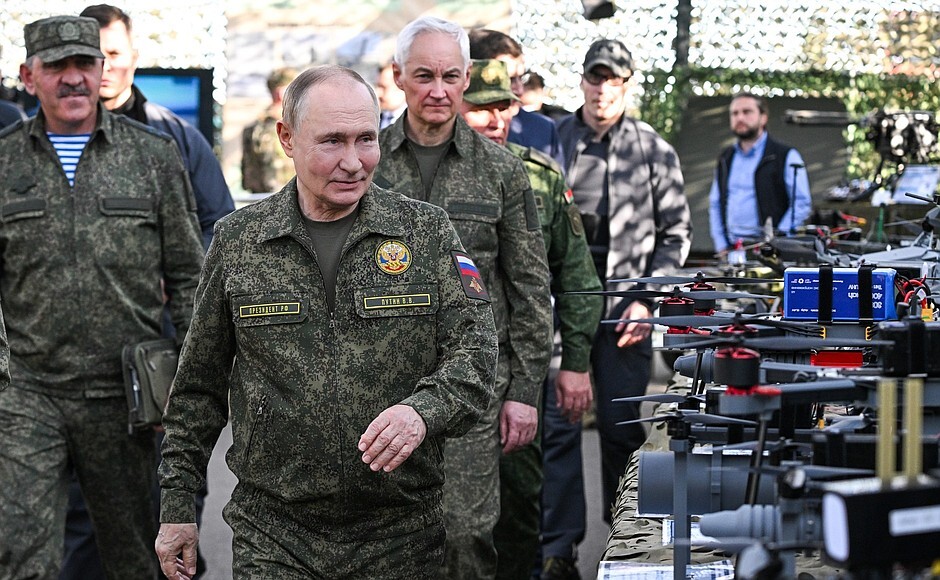
The Belarusian phase of the joint strategic exercises with Russia, “Zapad-2025”, took place near Minsk on 12–16 September. According to official data, 7,000 troops took part, only 1,000 of whom were Russian. Despite a volatile backdrop and varied expectations, the ground forces’ exercises in Belarus were largely uneventful and did not produce the provocations some neighbors had anticipated.
In the run-up to the drills, Minsk made a demonstrative effort to lower tensions. It moved the exercise area farther from NATO borders, scaled down the drills, and invited dozens of observers from OSCE countries, including NATO members. In the end, three NATO countries – Turkey, Hungary, and the United States – sent observers, which Minsk highlighted with evident satisfaction.
This “peace-loving” posture came with a significant caveat: a nuclear component. The Zapad-2025 program included “planning for the use” of nuclear weapons. That phrasing allowed the sides to stick de facto to command-post and tabletop training without deploying actual nuclear weapons.
This “peace-loving” posture came with a significant caveat: a nuclear component. The Zapad-2025 program included “planning for the use” of nuclear weapons. That phrasing allowed the sides to stick de facto to command-post and tabletop training without deploying actual nuclear weapons.
But the mere fact of giving the drills a nuclear tint mattered to Moscow as part of its nuclear signaling to NATO, and Belarus’s neighbors read it as a threatening move.
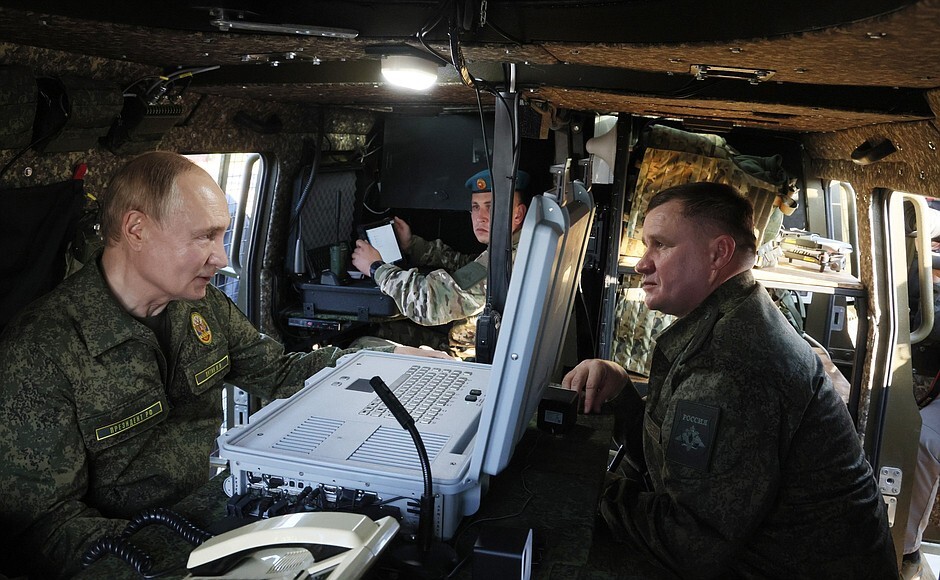
Photo: Mikhail Metzel, TASS
Shortly before the exercises, Minsk and Moscow also announced they would deploy Russia’s Oreshnik medium-range ballistic missile systems in Belarus by year’s end. These missiles can carry nuclear warheads and reach any point in Europe. Near the Belarusian city of Slutsk, satellite images show an old Soviet military site being hastily upgraded to host these missiles.
In parallel, tensions with Poland escalated on a separate track. On 4 September, Belarus’s KGB detained a Polish monk, Grzegorz Gawel, accusing him of espionage, namely trying to obtain classified data on the Zapad drills. State TV aired a report with all the hallmarks of an “operational game”: a provocation under security-service control targeting a preselected figure. The incident clearly clashed with Minsk’s broader de-escalatory line in recent months, including the release of dozens of political prisoners and a high-level dialogue with the United States. Against this nervous backdrop, on 9 September, Polish Prime Minister Donald Tusk announced a complete closure of the border with Belarus, citing the exercises and the monk’s arrest among the reasons.
Another episode pushed tensions higher. On the night of 10 September, during another attack on Ukraine, roughly two dozen Russian drones violated Polish airspace; part of their route ran through Belarus. Warsaw invoked consultations under Article 4 of the NATO Treaty, rushed additional forces to the eastern border, and restricted flights in the border zone.
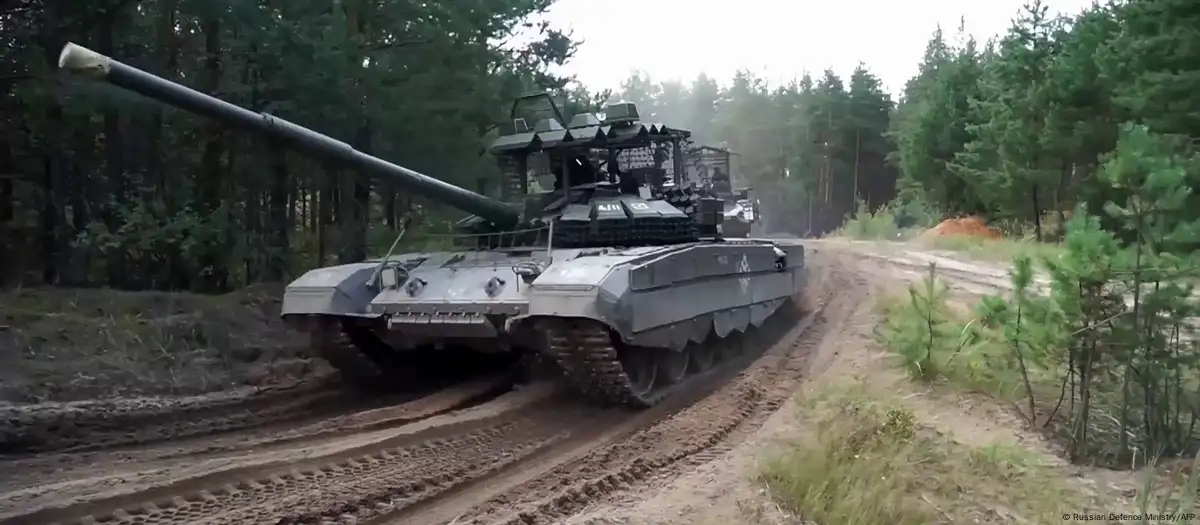
Image: Russian Defence Ministry/AFP
Sensing the scale of potential blowback, Minsk engaged in crisis communication the next morning. Chief of the General Staff Pavel Muraveiko stated that Belarus had warned Polish services about aerial targets, kept in direct contact with them, and even shot down some of the UAVs heading toward Poland. The message was a targeted attempt to entrench an image of Belarus not as an accomplice to Russia in violating NATO airspace, but as a partner in risk reduction.
Minsk’s problem, however, is a loss of agency in the eyes of the West regarding matters of regional security. The Belarusian regime’s rhetoric is not trusted even when individual signals look moderately constructive. Neither dialogue with the United States nor selective humanitarian steps can compensate for that deficit of trust and subjectivity. Any de-escalatory gesture is overshadowed by the possibility that the Kremlin may demand the opposite at any moment.
Overall, Zapad-2025 exposed the duality of Minsk’s position: on the one hand, ostentatious openness and constrained exercises; on the other, a readiness to support Russia’s nuclear signaling and a tolerance for actions by its own security services that can erase months of diplomacy overnight.
Belarus’s degree of military-political autonomy from Russia is situational. It depends directly on whether Moscow has the resources and the will to escalate at a given moment and whether it wants to drag Belarus into its planning. When Russia has no such intentions, Minsk is left with room to maneuver. But once Moscow needs escalation or threatening signaling from Belarusian territory, Minsk’s autonomy shrinks to zero.
That is exactly what happened now in the area the Kremlin sees as a priority: nuclear signaling. The Russian-Belarusian alliance has worked this way before. In February 2022, Russian troops formally “invited for exercises” used Belarusian territory as a staging ground for the invasion of Ukraine. Later, under the banner of a “regional group of forces”, Belarus became a rear base for training Russian mobilized soldiers. And in the summer of 2024, it demonstratively shifted units to the southern border during the opening days of Ukraine’s Kursk operation, playing the role of a diversion in Moscow’s interest.
At the same time, Minsk’s and the Kremlin’s fundamental security interests diverge. Lukashenka clearly does not want to be dragged into a full-scale war with NATO or into expanding the Russia–Ukraine war onto Belarusian territory. Nor is he attracted to the logic of expanding the “Russkiy mir” (“Russian world”) – Russia’s expansionism leaves no place for an independent Belarus. That is why, wherever Minsk can act without directly colliding with Moscow’s will, it tries to look responsible: it reduces the parameters of threats and increases transparency, builds channels of communication, and sends “peaceful” signals.
An interim conclusion follows. Belarus still has some room to maneuver, but it is fragile and depends not only on Minsk’s interests. Russia’s military presence in Belarus, by all indications, is there for the long term – including as a Kremlin’s anchor of control should political change occur in Belarus in the mid-term future. Even so, Minsk retains interests of its own that are distinct from Russia’s.
That is exactly what happened now in the area the Kremlin sees as a priority: nuclear signaling. The Russian-Belarusian alliance has worked this way before. In February 2022, Russian troops formally “invited for exercises” used Belarusian territory as a staging ground for the invasion of Ukraine. Later, under the banner of a “regional group of forces”, Belarus became a rear base for training Russian mobilized soldiers. And in the summer of 2024, it demonstratively shifted units to the southern border during the opening days of Ukraine’s Kursk operation, playing the role of a diversion in Moscow’s interest.
At the same time, Minsk’s and the Kremlin’s fundamental security interests diverge. Lukashenka clearly does not want to be dragged into a full-scale war with NATO or into expanding the Russia–Ukraine war onto Belarusian territory. Nor is he attracted to the logic of expanding the “Russkiy mir” (“Russian world”) – Russia’s expansionism leaves no place for an independent Belarus. That is why, wherever Minsk can act without directly colliding with Moscow’s will, it tries to look responsible: it reduces the parameters of threats and increases transparency, builds channels of communication, and sends “peaceful” signals.
An interim conclusion follows. Belarus still has some room to maneuver, but it is fragile and depends not only on Minsk’s interests. Russia’s military presence in Belarus, by all indications, is there for the long term – including as a Kremlin’s anchor of control should political change occur in Belarus in the mid-term future. Even so, Minsk retains interests of its own that are distinct from Russia’s.
Ignoring that fact and writing Belarus off as a mere Kremlin puppet deprives Western capitals of opportunities to impose additional costs and obstacles on the Kremlin at critical moments. The strategic goal of Western policy vis-à-vis Belarus should be to widen the gap between Minsk and Moscow, specifically in the security domain.
The strategic goal of Western policy vis-à-vis Belarus should be to widen the gap between Minsk and Moscow, specifically in the security domain.
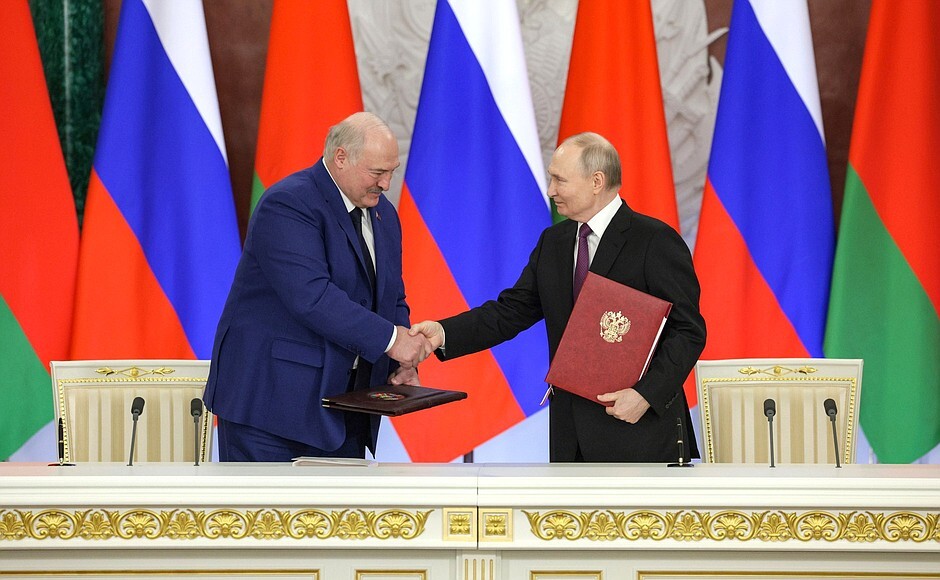
Photo: Kremlin.ru
When it comes to specific policy solutions, there is no alternative to strengthening Europe’s hard power: military-technical upgrades in the EU and NATO, stronger borders with Belarus – including in the air domain – expansion of the defense-industrial base, and larger European armies. These are priorities for European countries and the bedrock of efforts to reduce Belarus-related risks.
In parallel, however, the West needs tailored policies that incentivize Minsk to sabotage undesirable scenarios. In practice, differentiation means directing firmness and sustained deterrence at the Kremlin. Minsk, by contrast, gets a calibrated mix of negative and positive incentives to steer the authorities – where possible – away from extreme choices in the future.
It is therefore essential to keep communication channels with Minsk open – including military-to-military. Maintaining contacts, including hotlines, raises the odds of early warning about planned provocations – as in the drone incursion into Poland – and lowers the risk of inadvertent escalation.
In parallel, however, the West needs tailored policies that incentivize Minsk to sabotage undesirable scenarios. In practice, differentiation means directing firmness and sustained deterrence at the Kremlin. Minsk, by contrast, gets a calibrated mix of negative and positive incentives to steer the authorities – where possible – away from extreme choices in the future.
It is therefore essential to keep communication channels with Minsk open – including military-to-military. Maintaining contacts, including hotlines, raises the odds of early warning about planned provocations – as in the drone incursion into Poland – and lowers the risk of inadvertent escalation.
It is essential to remember that the Belarusian state apparatus, including the military leadership, is not monolithic. Many inside it do not want to drag the country into war.
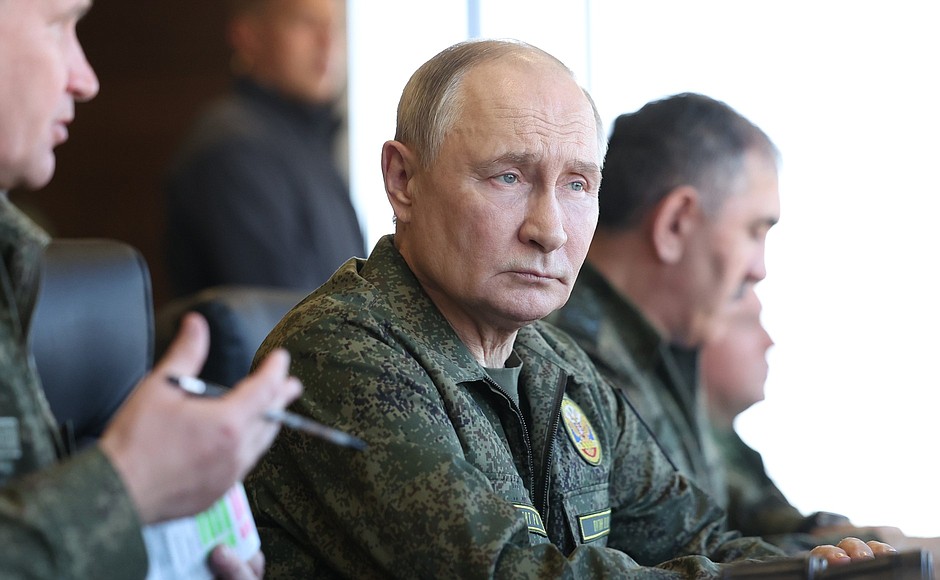
Photo: Mikhail Metzel, TASS
The West should also clearly convey the real military consequences of any military escalation from Belarusian territory. Minsk’s participation in hostilities would put not just Russian forces and assets on Belarusian soil, but also Belarus’s own military and critical infrastructure under fire. The more clearly the Belarusian regime understands this, the stronger their incentives to resist Moscow’s demands in any future escalatory scenario.
Supporting independent Belarusian media also matters for regional security. Even in exile, they prevent Belarusian public opinion from drifting toward Russia’s militarist agenda.
Supporting independent Belarusian media also matters for regional security. Even in exile, they prevent Belarusian public opinion from drifting toward Russia’s militarist agenda. The public’s strong consensus against war constrains Lukashenka’s regime: he is wary of deeper involvement in Russia’s military adventures for fear of losing power. Cutting international support for the media sector undermines this “soft defense” and makes it easier for the Kremlin to pull Minsk into war.
On a more strategic level, Belarus should be built into any future arrangements on a ceasefire and peace in Ukraine. If talks reach the question of a security architecture in Eastern Europe, Belarus should become a separate line of discussion with Russia. It could cover limits on foreign troops, nuclear assets, and long-range missile systems on Belarusian territory; caps on the scale and frequency of exercises; and trust-building mechanisms, like frequent inspections and diplomatic presence. Beyond their direct effect, such agreements would broaden Minsk’s room to maneuver and create additional costs for Moscow if it tries to breach them.
On a more strategic level, Belarus should be built into any future arrangements on a ceasefire and peace in Ukraine. If talks reach the question of a security architecture in Eastern Europe, Belarus should become a separate line of discussion with Russia. It could cover limits on foreign troops, nuclear assets, and long-range missile systems on Belarusian territory; caps on the scale and frequency of exercises; and trust-building mechanisms, like frequent inspections and diplomatic presence. Beyond their direct effect, such agreements would broaden Minsk’s room to maneuver and create additional costs for Moscow if it tries to breach them.
Zapad-2025 demonstrated that Minsk still retains a limited ability and interest in mitigating risks where Moscow does not insist on the contrary. That ability should be deliberately supported, expanded, and embedded in a broader European security architecture. Of course, the West cannot rely on Minsk’s restraint and peaceful posture – its autonomy disappears at the moments and in the areas the Kremlin deems a priority. But ignoring the differences between the Russian and Belarusian regimes would also be a mistake. Practical policy should focus on those points of divergence. Such measures cannot guarantee peace, but they can make a major conflict originating from Belarusian territory less likely to occur.

Photo: Belarusian Service of Radio Free Europe/Radio Liberty.
Artyom Shraibman is a nonresident scholar at the Carnegie Russia Eurasia Center. His research focuses on Belarus-related developments, including domestic politics and foreign policy. He is also the founder of Sense Analytics, a political consultancy.
Shraibman is the former political editor of the TUT.BY website, the most popular non-state media outlet in Belarus and writes frequently for Zerkalo.io (a media outlet created by former TUT.BY staff) on Belarusian politics.
Shraibman has also worked as a senior political advisor to the United Nations in Minsk and as an intern at the German Bundestag, where he assisted the team of MP Oliver Kaczmarek.
Shraibman has an MSc in politics and communication from the London School of Economics and an international law degree from Belarusian State University in Minsk.