

Viktoryia Andrukovich, a Belarusian activist and coordinator of the Dialogbüro Vienna programme on Belarus, offers a large-scale, in-depth analysis of 2025. This sweeping assessment maps the full spectrum of developments that shaped the country over the last year.
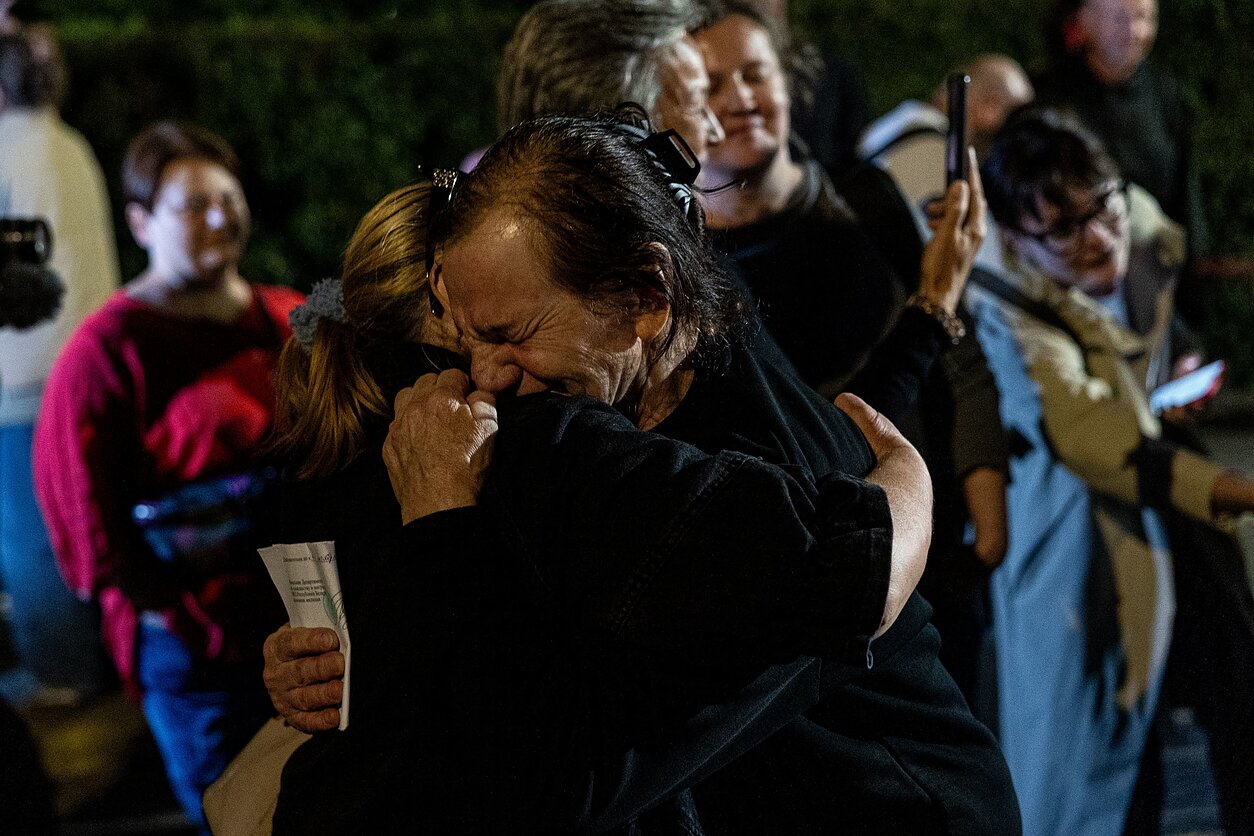
Without a doubt, 2025 became a year of small but long-awaited freedom and hope for Belarus, but not without turbulence. The return of the Donald Trump administration in the United States was a "black swan" event for the world — while it shook the geopolitical landscape globally, for Belarusians, it unexpectedly unlocked a door to freedom and gave hope. Hundreds of Belarusian political prisoners were released in 2025 in the framework of the U.S.-Belarusian regime’s deal, giving many families a chance to reunite and finally embrace their loved ones for the first time in five years.
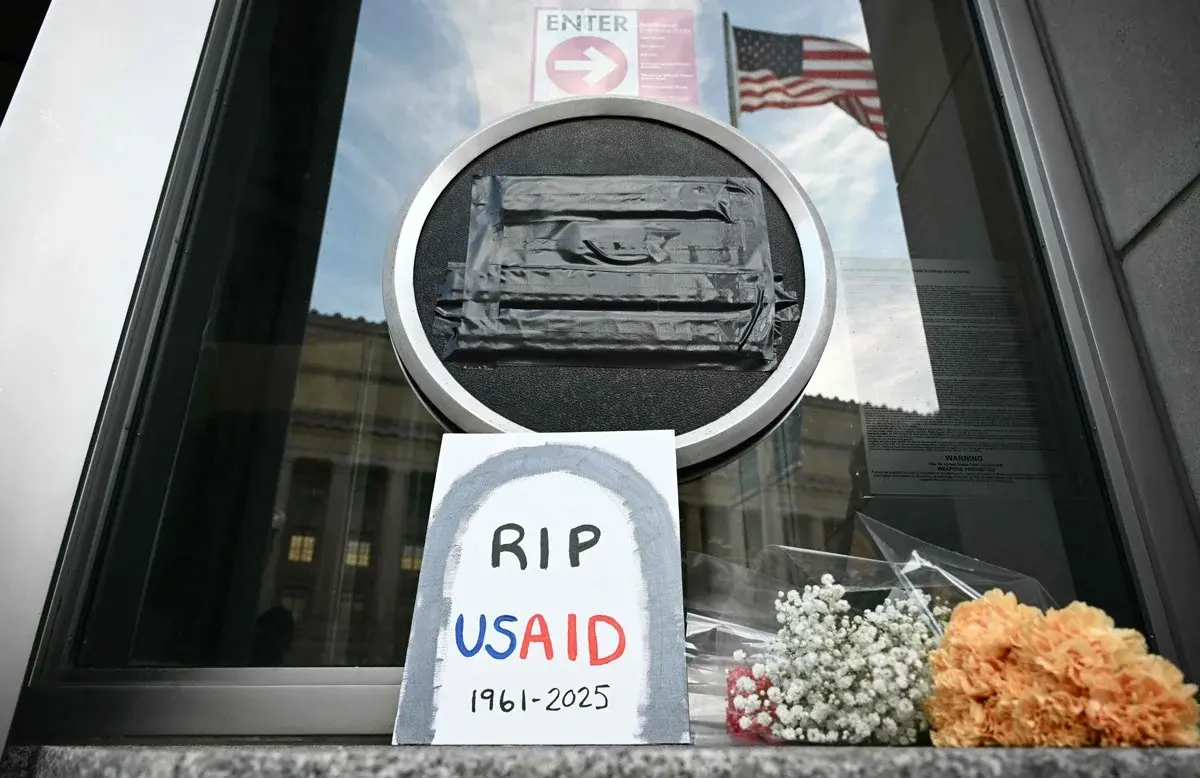
At first, Donald Trump's return to power following the U.S. elections delivered an immediate and severe blow to Belarusian civil society. His administration moved quickly to dismantle the United States Agency for International Development (USAID) and cut off the American foreign aid — funding that was, and remains, a lifeline for Belarusian CSOs and democratic institutions operating in exile.
This policy shift came as a shock, leading to catastrophic budget cuts for a civil society that doesn’t have its own state and is forced to function abroad. The reality in early 2025 was brutal — not all Belarusian organizations survived. Those that did are now struggling to stay afloat, relying on voluntary work and small donations from supporters — resources that do not cover even a fraction of their operational needs.
This policy shift came as a shock, leading to catastrophic budget cuts for a civil society that doesn’t have its own state and is forced to function abroad. The reality in early 2025 was brutal — not all Belarusian organizations survived. Those that did are now struggling to stay afloat, relying on voluntary work and small donations from supporters — resources that do not cover even a fraction of their operational needs.
Yet, human lives and freedom cannot be measured in dollars. No amount of funding outweighs the value of human life and liberty. Shortly after the funding cuts, the U.S. administration began its initial efforts to secure the release of political prisoners. Belarusians watched as Washington opened a new diplomatic front, aiming to negotiate freedom of the Lukashenka regime’s “hostages”, alongside the peace talks with Russia and Ukraine.
With the United States assistance, 342 people were pardoned in 2025. This continued a process that started the previous year, bringing the total number of political prisoners pardoned since July 2024 to 569. Among them were political leaders and prominent public figures who had spent many months — and even years — incommunicado, without contact with the outside world, and sentenced to imprisonment for 10+ years. These include famous blogger and husband of Sviatlana Tsikhanouskaya, Siarhei Tsikhanouski; former presidential candidate Viktar Babaryka and the head of his electoral campaign, one of the symbols of protests in 2020 Maryia Kalesnikava; Nobel Peace Prize laureate and human rights defender Ales Bialiatski; lawyer Maksim Znak; and others.
With the United States assistance, 342 people were pardoned in 2025. This continued a process that started the previous year, bringing the total number of political prisoners pardoned since July 2024 to 569. Among them were political leaders and prominent public figures who had spent many months — and even years — incommunicado, without contact with the outside world, and sentenced to imprisonment for 10+ years. These include famous blogger and husband of Sviatlana Tsikhanouskaya, Siarhei Tsikhanouski; former presidential candidate Viktar Babaryka and the head of his electoral campaign, one of the symbols of protests in 2020 Maryia Kalesnikava; Nobel Peace Prize laureate and human rights defender Ales Bialiatski; lawyer Maksim Znak; and others.
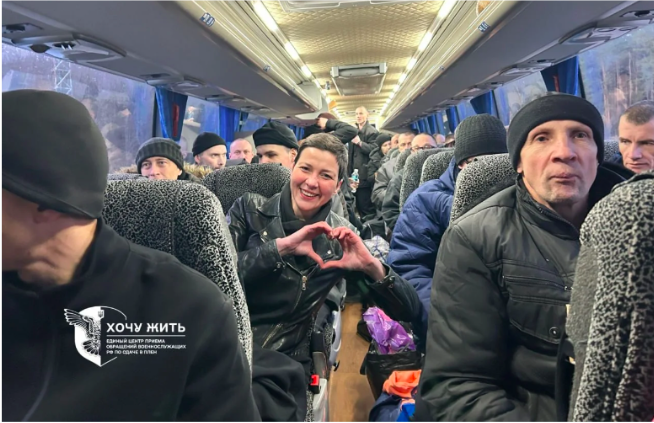
While mass pardons gave the unjustly imprisoned long-awaited freedom, they also stripped them of their homes.189 released political prisoners were forcibly deported, and deprived of their right to remain in Belarus and to choose their own future. Most of them also did not have their passports returned or were provided with any identification documents — they were simply expelled from the country with nothing, in order to make their future life and legalization abroad as difficult as possible.
A defining moment of the year involved Mikola Statkevich — a veteran opposition leader and long-time personal adversary of Aliaksandr Lukashenka. Released in September 2025, Statkevich steadfastly refused forced deportation, insisting on his right to remain in Belarus. Consequently, autocratic authorities returned him to custody. This act of defiance has cemented his status as a "Person of the Year" for the Belarusian resistance movement and will remain etched in the nation’s memory, as a manifestation of spiritual invincibility, self-sacrifice and the highest commitment to the values of freedom and democracy.
A defining moment of the year involved Mikola Statkevich — a veteran opposition leader and long-time personal adversary of Aliaksandr Lukashenka. Released in September 2025, Statkevich steadfastly refused forced deportation, insisting on his right to remain in Belarus. Consequently, autocratic authorities returned him to custody. This act of defiance has cemented his status as a "Person of the Year" for the Belarusian resistance movement and will remain etched in the nation’s memory, as a manifestation of spiritual invincibility, self-sacrifice and the highest commitment to the values of freedom and democracy.
Belarusian Poles Still in Prison
While the deal between the U.S. and the Lukashenka regime has produced tangible results, the anticipated Polish-Belarusian agreement failed to materialize — despite long-term pressure from Polish authorities, strict sanctions, and the ongoing "border war", which we will discuss later.
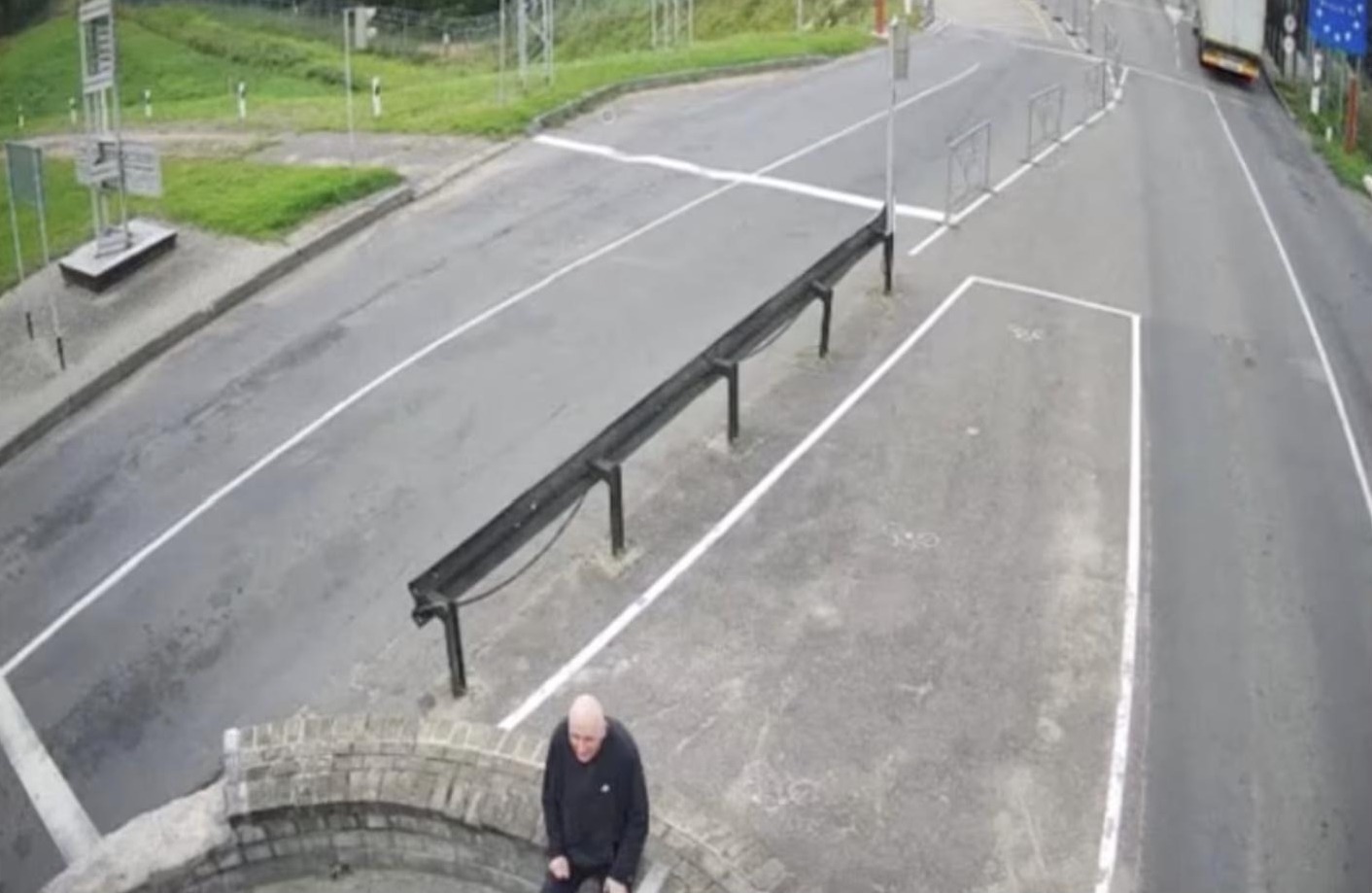
As a result, Andrzej Poczobut, a prominent journalist and activist for the Polish minority in Belarus, remains imprisoned alongside other Belarusian Poles and Belsat journalists. Poczobut is a legendary figure in the Belarusian freedom movement and another symbol of spiritual invincibility and dignity. The regime has offered to pardon him numerous times if he would simply ask, but he has consistently refused, stating: "I am waiting for justice, not mercy." His strength, courage and resilience became a source of inspiration for many Poles and Belarusians fighting for freedom.
As a result, Andrzej Poczobut, a prominent journalist and activist for the Polish minority in Belarus, remains imprisoned alongside other Belarusian Poles and Belsat journalists. Poczobut is a legendary figure in the Belarusian freedom movement and another symbol of spiritual invincibility and dignity. The regime has offered to pardon him numerous times if he would simply ask, but he has consistently refused, stating: "I am waiting for justice, not mercy." His strength, courage and resilience became a source of inspiration for many Poles and Belarusians fighting for freedom.
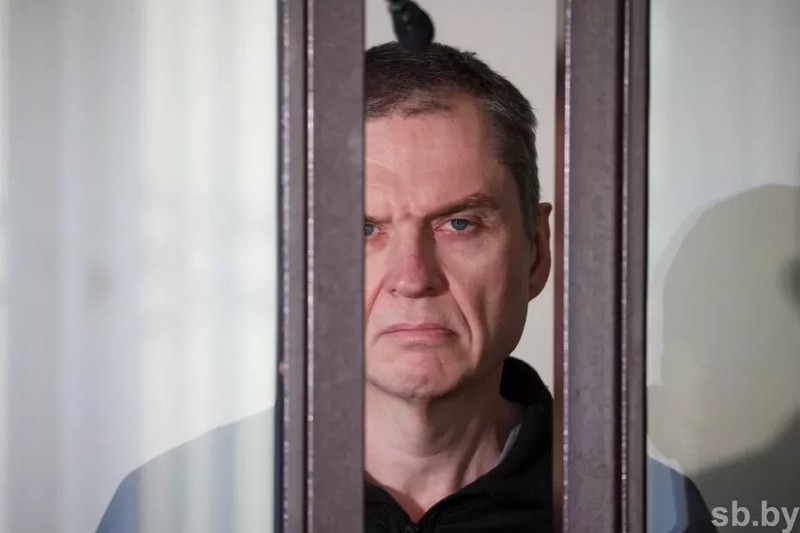
On Tuesday, December 16, in Strasbourg, Poczobut was awarded the European Parliament's Sakharov Prize for Freedom of Thought, jointly with Mzia Amaglobeli, a Georgian journalist who is also in custody. Just three days before the ceremony, on December 13, Belarusian authorities released another group of political prisoners in exchange for the lifting of U.S. sanctions on the Belarusian potash industry. Tragically, Andrzej Poczobut was not among them.
Since the detention of Andrzej Poczobut and other representatives of the Polish minority in Belarus, Warsaw has exerted maximum pressure on the Lukashenka regime. This strategy has included measures that have come at a significant cost to Poland’s own economy, creating geopolitical instability along with political risks. By repeatedly closing the border crossings with Belarus, that serve as a key land transit artery between the European Union and China, Poland caused considerable alarm in major capitals and eventually forced Beijing to intervene in an attempt to resolve the situation.
After years of maintaining a principled stance — applying the "stick" — Polish authorities made the painful decision to switch to the "carrot." Despite ongoing hybrid warfare, a manufactured migration crisis, and an unprecedented attack by Russian drones launched from Belarus in September, Poland made a significant concession to the regime. On November 17, 2025, Warsaw reopened the Kuźnica and Bobrowniki border crossings — a move the Belarusian side had demanded for ages. Yet, when the list of political prisoners pardoned in November was revealed, Andrzej Poczobut and other Belarusian Poles were conspicuously absent.
Since the detention of Andrzej Poczobut and other representatives of the Polish minority in Belarus, Warsaw has exerted maximum pressure on the Lukashenka regime. This strategy has included measures that have come at a significant cost to Poland’s own economy, creating geopolitical instability along with political risks. By repeatedly closing the border crossings with Belarus, that serve as a key land transit artery between the European Union and China, Poland caused considerable alarm in major capitals and eventually forced Beijing to intervene in an attempt to resolve the situation.
After years of maintaining a principled stance — applying the "stick" — Polish authorities made the painful decision to switch to the "carrot." Despite ongoing hybrid warfare, a manufactured migration crisis, and an unprecedented attack by Russian drones launched from Belarus in September, Poland made a significant concession to the regime. On November 17, 2025, Warsaw reopened the Kuźnica and Bobrowniki border crossings — a move the Belarusian side had demanded for ages. Yet, when the list of political prisoners pardoned in November was revealed, Andrzej Poczobut and other Belarusian Poles were conspicuously absent.
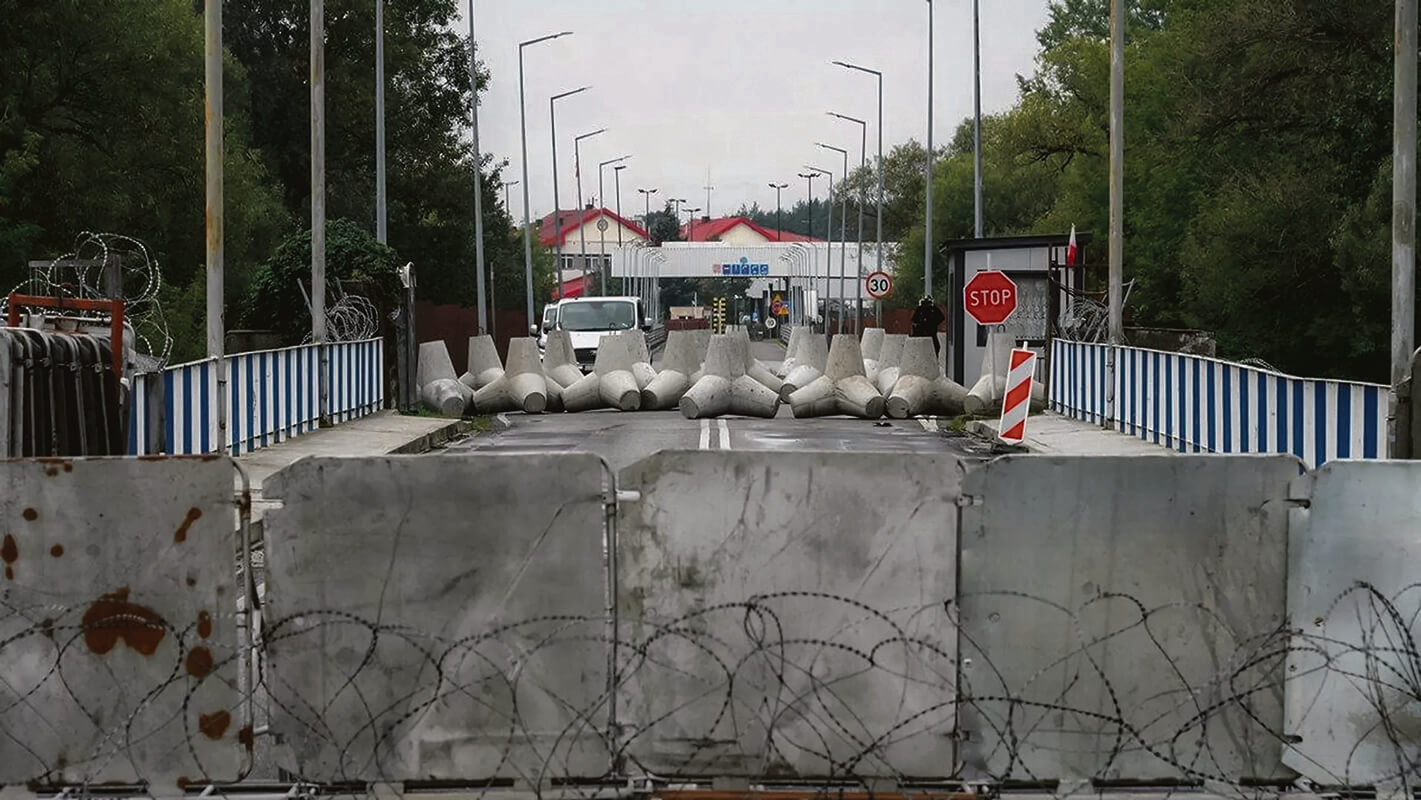
The sequence of events and rhetoric from Aliaksandr Lukashenka suggests that substantive negotiations between Warsaw and Minsk took place and that a preliminary agreement to release Poczobut and others had likely been reached. This was corroborated by Lukashenka’s speech on October 31, 2025, in which he accused Poland of sabotaging the deal. At the request of Lithuania, which was under yet another hybrid attack by the Lukashenko regime at the time, Poland decided to postpone the opening of the border. This decision had dire consequences for Warsaw — the deal fell through, even though Polish authorities eventually did open the crossing.
As we see, the American diplomatic success set a precedent, prompting Poland to align with this transactional approach in order to save its "hostages" and offer concessions to the Belarusian regime. However, unlike the U.S. deal, the initial Polish-Belarusian arrangement did not come to fruition. Consequently, members of the Polish minority remain behind bars, leaving Warsaw to continue its difficult work to secure their release.
It is our hope that the coming year will bring freedom to all political prisoners in Belarus without exception, mark the end of the state’s machinery of mass repression, and finally allow Andrzej Poczobut to reunite with his family.
As we see, the American diplomatic success set a precedent, prompting Poland to align with this transactional approach in order to save its "hostages" and offer concessions to the Belarusian regime. However, unlike the U.S. deal, the initial Polish-Belarusian arrangement did not come to fruition. Consequently, members of the Polish minority remain behind bars, leaving Warsaw to continue its difficult work to secure their release.
It is our hope that the coming year will bring freedom to all political prisoners in Belarus without exception, mark the end of the state’s machinery of mass repression, and finally allow Andrzej Poczobut to reunite with his family.
Unstoppable Engine of Repression in Numbers
While we welcome the release of political prisoners and share the long-awaited joy of the families reunited with their loved ones, we must not be misled by the dictator's games and fall into an illusion. Although unjustly imprisoned individuals are being pardoned — or, more precisely, 'traded' for sanctions relief and U.S. diplomatic révérences — there has been no systemic reduction in the level of repression and political persecution in the country. On the contrary, the machinery of the state repression continues to grind on — while 342 prisoners were freed in 2025, 509 new political prisoners were thrown behind bars to take their place.
Despite the mass releases, the human rights situation in Belarus remains critical. As of January 1, more than 1,131 political prisoners remain in custody. This population includes individuals with disabilities, media workers, doctors, lawyers, and priests. Conditions within the prison system are life-threatening — detainees continue to die behind bars, while others are held in isolation, cut off from the outside world and denied essential medical care. Many of those recently released have shared harrowing accounts of physical and psychological torture, cruel treatment, and systemic abuse.
Despite the mass releases, the human rights situation in Belarus remains critical. As of January 1, more than 1,131 political prisoners remain in custody. This population includes individuals with disabilities, media workers, doctors, lawyers, and priests. Conditions within the prison system are life-threatening — detainees continue to die behind bars, while others are held in isolation, cut off from the outside world and denied essential medical care. Many of those recently released have shared harrowing accounts of physical and psychological torture, cruel treatment, and systemic abuse.
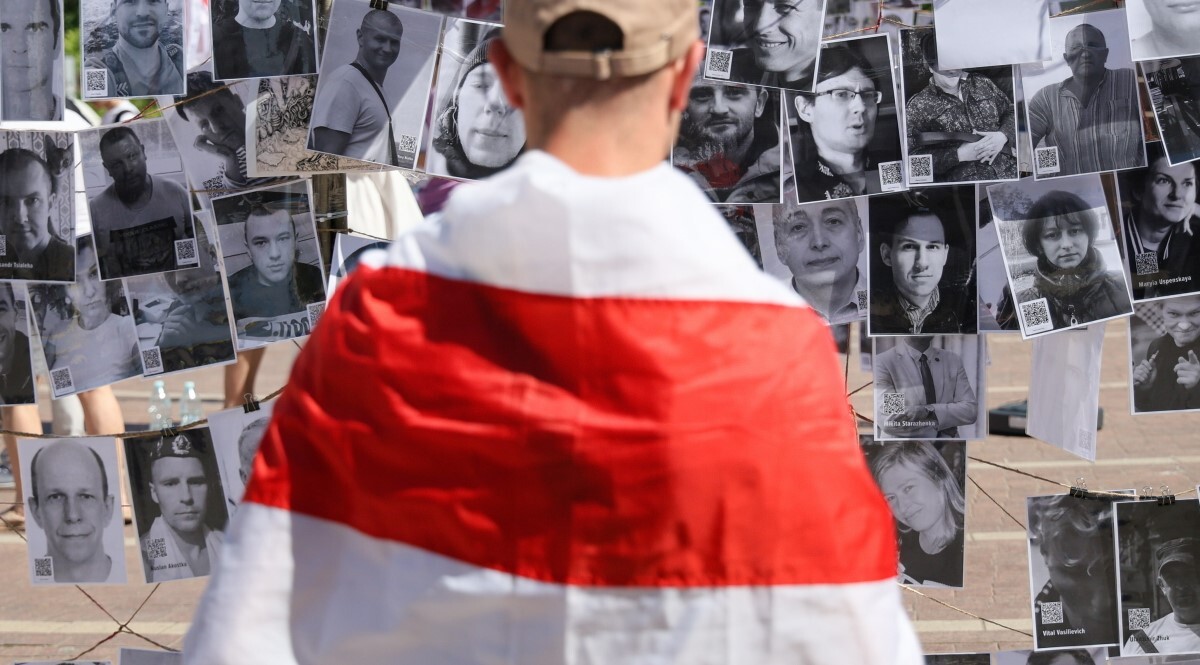
Since May 2020, human rights defenders have recognized 4,339 individuals as political prisoners. While 3,208 have since been released — having served their sentences, been pardoned, or moved to house arrest — the cycle of repression continues. Apart from those pardoned, more than 1,700 people have completed full prison terms since 2020, with at least 300 released in 2025 alone. Meanwhile, some prisoners have now been deprived of their liberty for more than five years.
Human rights activists have identified at least 164 prisoners facing immediate, severe risks. This group includes 56 prisoners in serious health conditions, seven with disabilities, and ten suffering from mental disorders. The crackdown has been particularly merciless toward the elderly, with 26 prisoners over the age of 60 held in harsh conditions despite severe health problems. The toll on families is equally devastating — there are currently 34 prisoners in difficult family circumstances, including single parents and those from large families. At least 20 whole families currently incarcerated and 20 foreign nationals remain behind bars. At least 33 people were sent for forced psychiatric treatment due to disagreement with the authorities.
The regime has increasingly weaponized isolation to break the spirit of its opponents. Prominent figures such as Aliaksandr Aranovich, Uladzimir Kniha, Mikalai Statkevich, and Aliaksandr Frantskevich are currently being held incommunicado, their fate unknown to their loved ones.
The cost of this brutality is measured in lives lost — at least nine political prisoners have died in custody since 2020. Belarusians will remember 2025 as the year two more lives were extinguished behind bars, leaving families with no chance to see and embrace their loved ones again.
While negotiations with the West proceed, arbitrary detentions for exercising civil rights have not ceased. In 2025 alone, courts convicted at least 1,254 people in politically motivated cases, and more than 1,700 new detentions were reported — figures that grow with every passing month. These numbers likely represent only the tip of the iceberg, as authorities have tightened information control to conceal the true extent of the persecution during 2025 due to the ongoing talks with the United States. By the end of 2025, the cumulative toll stood at 9,282 people facing politically motivated criminal prosecution since the crisis in 2020 began, with at least 8,000 sentenced, including those tried in absentia.
Human rights activists have identified at least 164 prisoners facing immediate, severe risks. This group includes 56 prisoners in serious health conditions, seven with disabilities, and ten suffering from mental disorders. The crackdown has been particularly merciless toward the elderly, with 26 prisoners over the age of 60 held in harsh conditions despite severe health problems. The toll on families is equally devastating — there are currently 34 prisoners in difficult family circumstances, including single parents and those from large families. At least 20 whole families currently incarcerated and 20 foreign nationals remain behind bars. At least 33 people were sent for forced psychiatric treatment due to disagreement with the authorities.
The regime has increasingly weaponized isolation to break the spirit of its opponents. Prominent figures such as Aliaksandr Aranovich, Uladzimir Kniha, Mikalai Statkevich, and Aliaksandr Frantskevich are currently being held incommunicado, their fate unknown to their loved ones.
The cost of this brutality is measured in lives lost — at least nine political prisoners have died in custody since 2020. Belarusians will remember 2025 as the year two more lives were extinguished behind bars, leaving families with no chance to see and embrace their loved ones again.
While negotiations with the West proceed, arbitrary detentions for exercising civil rights have not ceased. In 2025 alone, courts convicted at least 1,254 people in politically motivated cases, and more than 1,700 new detentions were reported — figures that grow with every passing month. These numbers likely represent only the tip of the iceberg, as authorities have tightened information control to conceal the true extent of the persecution during 2025 due to the ongoing talks with the United States. By the end of 2025, the cumulative toll stood at 9,282 people facing politically motivated criminal prosecution since the crisis in 2020 began, with at least 8,000 sentenced, including those tried in absentia.
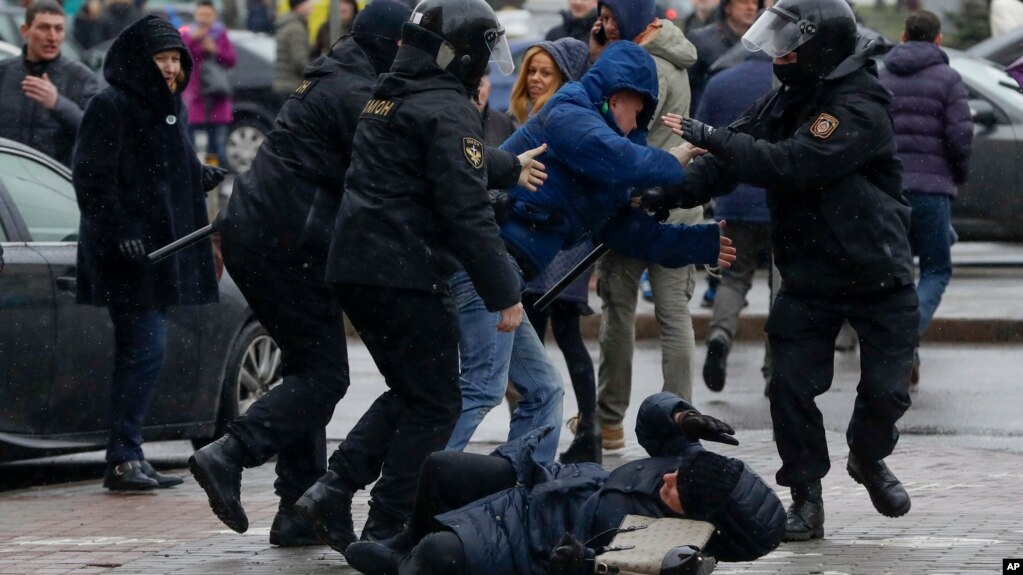
Civil society continues to be dismantled piece by piece, as freedom of assembly and expression remain under relentless attack by the authoritarian state. The regime regularly updates its list of so-called "extremist formations”, which contained 324 organizations by the end of December — 67 of which were added in 2025 alone. The scope of targets has widened absurdly: the blacklist now includes not just media and political groups, but a musical band, a knight's club, religious initiatives, children's initiatives and diaspora businesses abroad. Fearing persecution and consequences, countless NGOs have been forced to liquidate or dissolve voluntarily.
Apart from the pressure on CSOs, the Belarusian regime has significantly intensified its crackdown on dissent, utilizing "extremist" and "terrorist" labels to systematically isolate and punish political opponents. The official "List of Extremists" has expanded to 6,127 individuals, 76% of whom are recognized political prisoners. In December 2025 alone, 85 new names were added to the list. Similarly, the "List of Terrorists" now includes 1,399 people. Of these, 660 are Belarusian citizens who have been arbitrarily designated without clear legal recourse or transparent evidence. Those labeled as "terrorists" face very harsh conditions, ill-treatment, and abuse in prison; they are deprived of the right to meetings and calls with their relatives, the receipt of parcels or letters, and access to commissary money.
The regime’s campaign also targets the flow of information. Throughout 2025, Belarusian courts designated 2,107 separate information products as "extremist." This dragnet covers a vast spectrum of digital and physical media, including independent Telegram channels, TikTok accounts, books, and the websites of international human rights organizations. Even the specific webpage used to track the names of political prisoners has been targeted.
As of December 5, 2025, the Republican List of Extremist Materials has ballooned to a staggering 1,928 pages, containing 8,172 items. Notably, a quarter of the entire list was added in the last year alone, signaling an aggressive acceleration of state censorship.
While keeping the repression machine running at home, the regime extends its reach far beyond its borders, targeting activists in exile with transnational repression. Exiles face trials and sentences in absentia, property confiscation, risks of extradition, threats and the intimidation of relatives remaining in Belarus. Intelligence services employ increasingly sophisticated tactics, from cyberattacks and deepfakes to attempting to infiltrate activist circles through false friendships or romantic relationships. They often try to recruit activists abroad, force them to work for them or to return to Belarus using various pressure points. One of the 2025 year's most alarming events for Belarusians, was the disappearance of exiled public figures Anzhalika Melnikava and Anatoli Kotau, who remain missing to this day and their fates unknown.
* Current statistics on political prisoners in Belarus are available here. Please note that these figures may be significantly higher due to incomplete data, as many relatives fear reporting cases of unjust imprisonment to avoid provoking further torture of their loved ones in custody.
Apart from the pressure on CSOs, the Belarusian regime has significantly intensified its crackdown on dissent, utilizing "extremist" and "terrorist" labels to systematically isolate and punish political opponents. The official "List of Extremists" has expanded to 6,127 individuals, 76% of whom are recognized political prisoners. In December 2025 alone, 85 new names were added to the list. Similarly, the "List of Terrorists" now includes 1,399 people. Of these, 660 are Belarusian citizens who have been arbitrarily designated without clear legal recourse or transparent evidence. Those labeled as "terrorists" face very harsh conditions, ill-treatment, and abuse in prison; they are deprived of the right to meetings and calls with their relatives, the receipt of parcels or letters, and access to commissary money.
The regime’s campaign also targets the flow of information. Throughout 2025, Belarusian courts designated 2,107 separate information products as "extremist." This dragnet covers a vast spectrum of digital and physical media, including independent Telegram channels, TikTok accounts, books, and the websites of international human rights organizations. Even the specific webpage used to track the names of political prisoners has been targeted.
As of December 5, 2025, the Republican List of Extremist Materials has ballooned to a staggering 1,928 pages, containing 8,172 items. Notably, a quarter of the entire list was added in the last year alone, signaling an aggressive acceleration of state censorship.
While keeping the repression machine running at home, the regime extends its reach far beyond its borders, targeting activists in exile with transnational repression. Exiles face trials and sentences in absentia, property confiscation, risks of extradition, threats and the intimidation of relatives remaining in Belarus. Intelligence services employ increasingly sophisticated tactics, from cyberattacks and deepfakes to attempting to infiltrate activist circles through false friendships or romantic relationships. They often try to recruit activists abroad, force them to work for them or to return to Belarus using various pressure points. One of the 2025 year's most alarming events for Belarusians, was the disappearance of exiled public figures Anzhalika Melnikava and Anatoli Kotau, who remain missing to this day and their fates unknown.
* Current statistics on political prisoners in Belarus are available here. Please note that these figures may be significantly higher due to incomplete data, as many relatives fear reporting cases of unjust imprisonment to avoid provoking further torture of their loved ones in custody.
The Silent Front: How the Belarusian Struggle Endures Undercover and in Exile
Despite the pervasive atmosphere of fear and unprecedented levels of state repression, the spirit of defiance within Belarus has not been extinguished — instead, it has evolved into a sophisticated undercover resistance. The partisan movement remains a quiet but persistent force, with citizens continuing their struggle through clandestine channels and informal networks that bypass direct political mechanisms. While the capacity for mass mobilization inside the country is currently constrained by the threat of severe reprisals, grassroots movements and cultural resistance remain vital components of a broader democratic ecosystem that refuses to surrender.
The prolonged crackdown and the significant exodus of citizens have undeniably altered the landscape of dissent, shifting a substantial portion of the democratic energy toward a large and increasingly influential diaspora. This proactive community abroad has become a critical pillar of the movement, with exiled pro-democratic structures and civil society organizations
working tirelessly to maintain lifelines to trusted activist networks still operating within the country. These organizations represent the "other", democratic Belarus on the international stage, advocating for global support and lobbying relentlessly for the release of thousands of political prisoners who remain in state custody.
The prolonged crackdown and the significant exodus of citizens have undeniably altered the landscape of dissent, shifting a substantial portion of the democratic energy toward a large and increasingly influential diaspora. This proactive community abroad has become a critical pillar of the movement, with exiled pro-democratic structures and civil society organizations
working tirelessly to maintain lifelines to trusted activist networks still operating within the country. These organizations represent the "other", democratic Belarus on the international stage, advocating for global support and lobbying relentlessly for the release of thousands of political prisoners who remain in state custody.
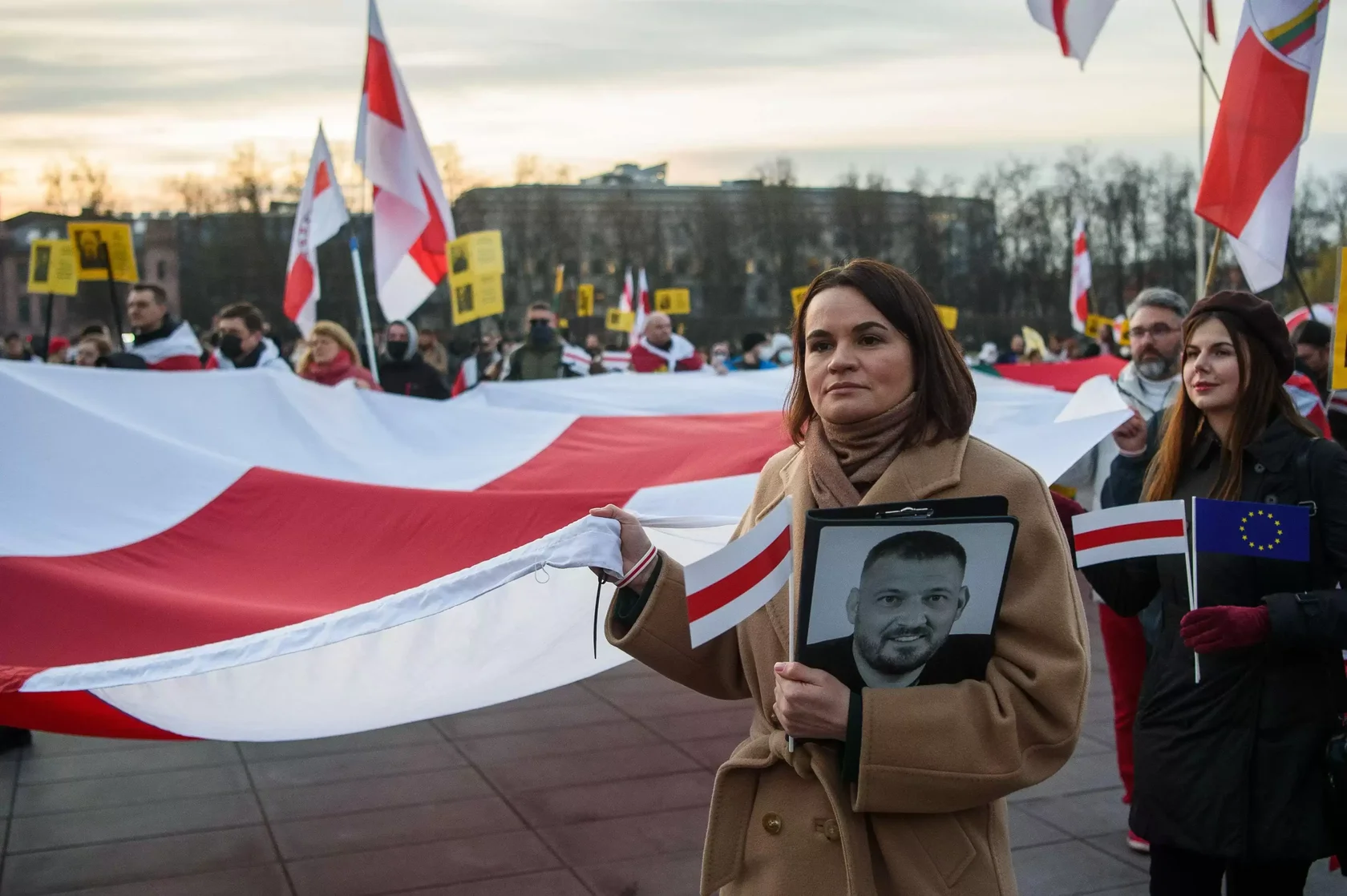
Inside the borders, the civic and political space is almost entirely closed, yet activists persist in a "partisan" mode by organizing around less overtly political but culturally significant issues. By forming communities focused on ecology, infrastructure, national heritage, and the preservation of the Belarusian language — these individuals keep the flame of democratic values alive under the radar of state surveillance. This informal unity provides a sense of continuity and resilience, proving that the desire for a free society remains deeply rooted even when the public square is occupied by the regime.
For those few independent organizations that have escaped liquidation and remain within Belarus, the path forward is fraught with moral and legal peril. These entities face an agonizing choice — to cease their vital work entirely or to navigate the regime’s strict requirements, which risks transforming them into state-controlled entities, so called GONGOs. Nevertheless, the ongoing collaboration between the internal undercover resistance and the vocal diaspora ensures that the struggle for a democratic future continues on two fronts, bridging the gap between those who remain in the shadows at home and those who champion the cause from abroad.
For those few independent organizations that have escaped liquidation and remain within Belarus, the path forward is fraught with moral and legal peril. These entities face an agonizing choice — to cease their vital work entirely or to navigate the regime’s strict requirements, which risks transforming them into state-controlled entities, so called GONGOs. Nevertheless, the ongoing collaboration between the internal undercover resistance and the vocal diaspora ensures that the struggle for a democratic future continues on two fronts, bridging the gap between those who remain in the shadows at home and those who champion the cause from abroad.
2025 — Political Thaw for Lukashenko's Regime
The negotiations between the Trump administration and the Lukashenka regime throughout 2025 were undoubtedly a significant victory for Minsk, marking a major breakthrough in the regime's efforts to escape international isolation and recognition of the dictator as de facto ruler of the country. This diplomatic engagement served as more than just a validation of the Aliaksandr Lukashenka’s standing and flattering his ego — it yielded tangible economic dividends that have significantly stabilized his grip on power. The most notable outcomes included the lifting of critical sanctions on the potash industry — a cornerstone of the Belarusian economy — and the removal of restrictions on the state-owned airline, Belavia. Even though the lifting of US sanctions does not immediately allow Belarus to resume trading its potash through European territory due to the EU's continued restrictions, the move still represents a significant step forward for the regime. This shift has effectively reduced the "toxicity" of the Belarusian potash industry on the global market, making the product more appealing and accessible to major importers such as India and China. By removing the threat of secondary American sanctions, the regime has gained greater maneuverability to engage with non-Western partners, easing the financial and logistical hurdles that previously deterred international buyers. This shift also created the potential to sell Belarusian potash to the United States in the future, particularly while the U.S. is engaged in a trade war with its primary potash supplier, Canada.
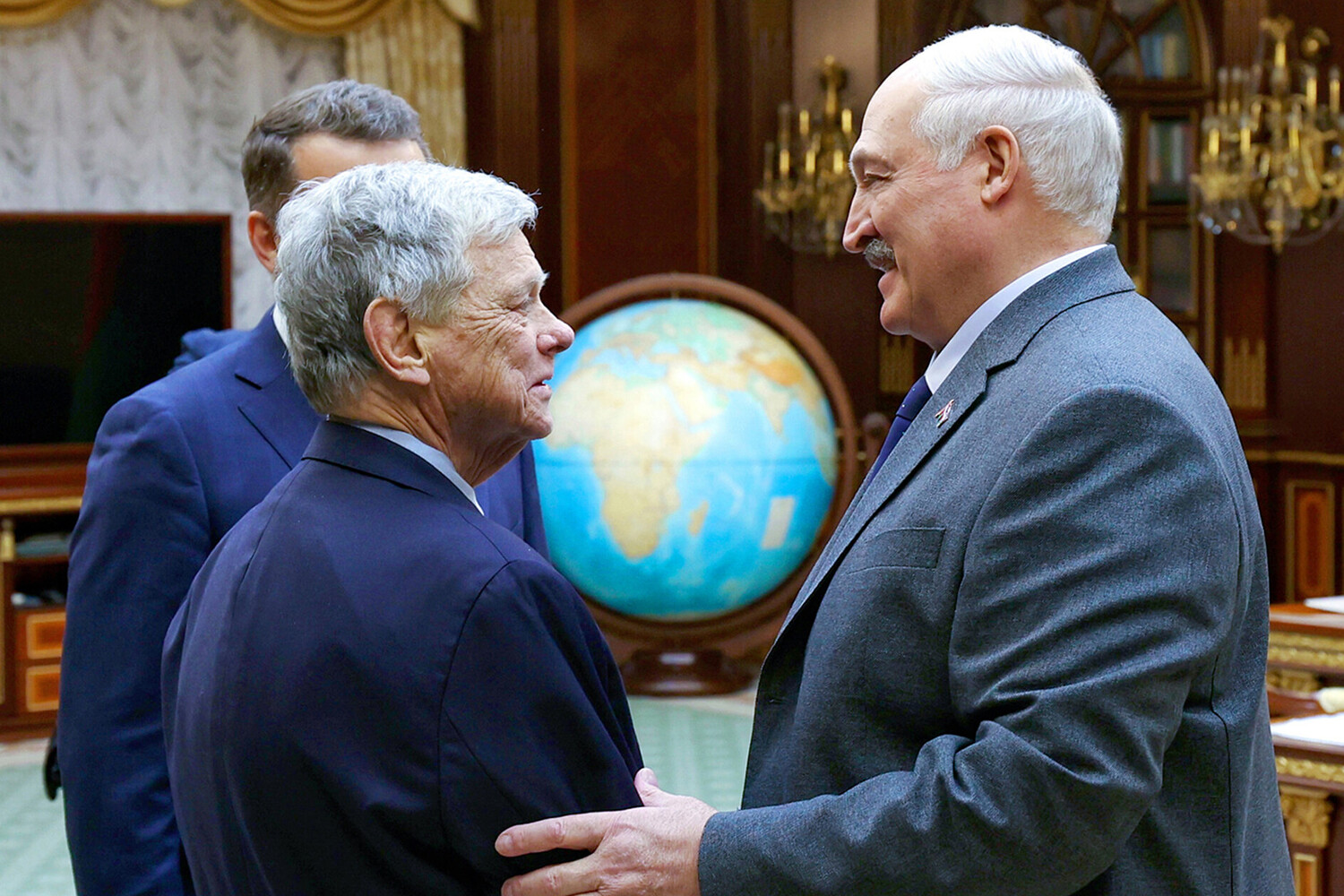
This shift in American foreign policy signaled a pragmatic, albeit controversial, departure from the "maximum pressure" under the Biden administration and the political alignment with European allies. By engaging directly with Minsk, the Trump administration appeared to prioritize regional stabilization and economic leverage — a pivot that Lukashenka skillfully exploited to portray himself as an indispensable regional actor and a key ally of Vladimir Putin, that can potentially influence the ongoing peace talks. However, this “normalization” has come at a steep cost for the Belarusian democratic movement. While the regime celebrated the return of high-level diplomacy, critics argue that the removal of sanctions without securing substantial democratic reforms or the wholesale release of political prisoners has effectively rewarded the state's domestic repression.
The shift in American foreign policy toward the Belarusian regime has sparked intense global debate, causing particular outrage across Europe. While the release of political prisoners is a noble achievement and a positive humanitarian outcome, critics within Western governments and civil society warn that such "transactional diplomacy" may reward an authoritarian regime without requiring the structural reforms necessary to dismantle its repressive machinery. Without these changes, the regime will continue to replenish its supply of "hostages" to use as future bargaining chips. While this pragmatic approach can yield immediate human rights gains, it risks undermining broader international accountability and granting the regime a degree of foreign legitimacy, political and economic gains.
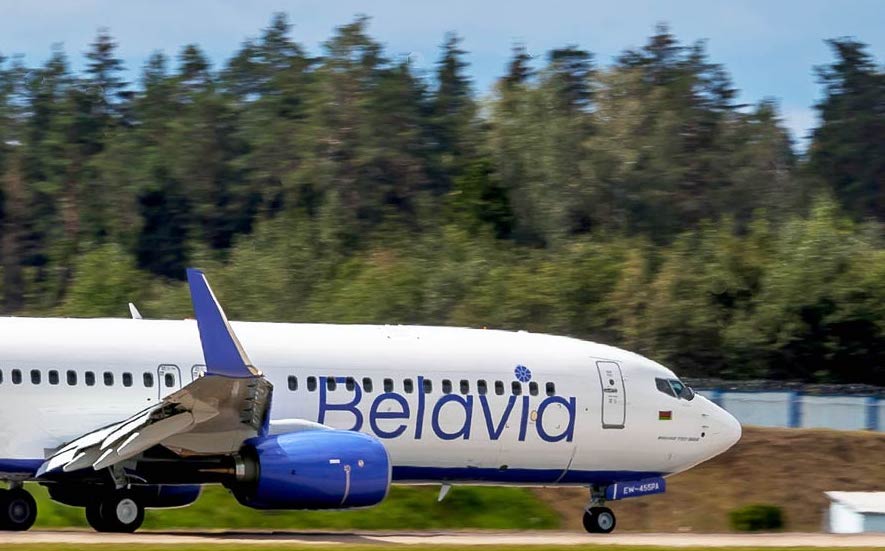
The lifting of US sanctions on Belavia has rehabilitated the airline's ability to service its fleet and purchase essential Western components including the personal Bombardier jet used by the presidential family. However, the implications for the broader geopolitical landscape are fraught with risk, particularly concerning the "porous border" between Minsk and Moscow. While the US Department of Commerce has explicitly prohibited Belavia from using its Boeing fleet to service Russia or occupied Ukraine, flight-tracking data suggests these mandates are being treated as mere suggestions. Daily flights to St. Petersburg and Moscow continue unabated, raising alarms among EU officials that Belarus is serving as a primary conduit for parallel imports. There is a growing fear that the easing of restrictions on aircraft parts will inadvertently feed the Russian military machine, allowing critical Western technology to be smuggled into Russia under the guise of Belarusian civilian aviation.
The shift in American foreign policy toward the Belarusian regime has sparked intense global debate, causing particular outrage across Europe. While the release of political prisoners is a noble achievement and a positive humanitarian outcome, critics within Western governments and civil society warn that such "transactional diplomacy" may reward an authoritarian regime without requiring the structural reforms necessary to dismantle its repressive machinery. Without these changes, the regime will continue to replenish its supply of "hostages" to use as future bargaining chips. While this pragmatic approach can yield immediate human rights gains, it risks undermining broader international accountability and granting the regime a degree of foreign legitimacy, political and economic gains.
The lifting of US sanctions on Belavia has rehabilitated the airline's ability to service its fleet and purchase essential Western components including the personal Bombardier jet used by the presidential family. However, the implications for the broader geopolitical landscape are fraught with risk, particularly concerning the "porous border" between Minsk and Moscow. While the US Department of Commerce has explicitly prohibited Belavia from using its Boeing fleet to service Russia or occupied Ukraine, flight-tracking data suggests these mandates are being treated as mere suggestions. Daily flights to St. Petersburg and Moscow continue unabated, raising alarms among EU officials that Belarus is serving as a primary conduit for parallel imports. There is a growing fear that the easing of restrictions on aircraft parts will inadvertently feed the Russian military machine, allowing critical Western technology to be smuggled into Russia under the guise of Belarusian civilian aviation.
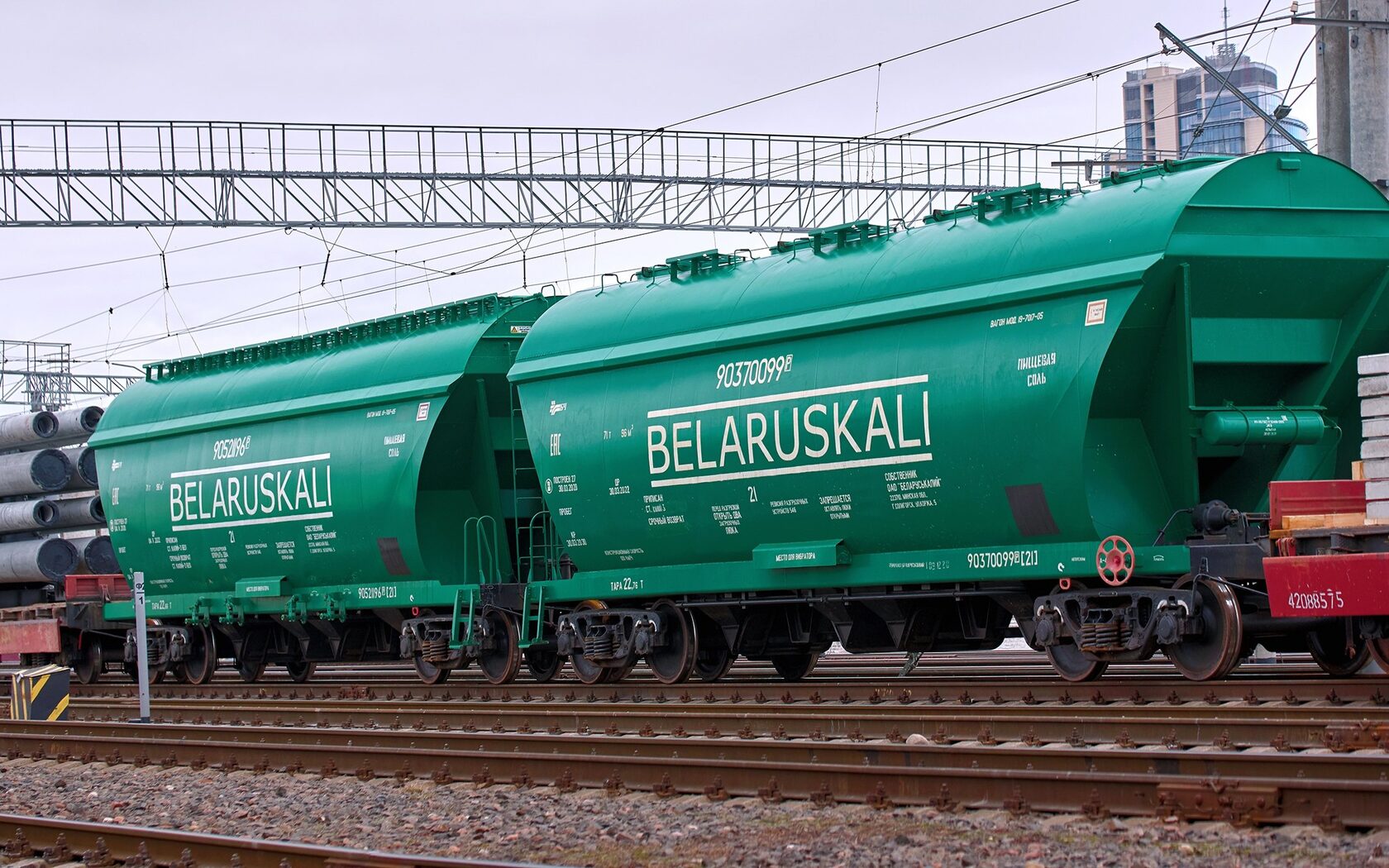
The lifting of US sanctions on Belarusian potash has effectively neutralized the industry's "pariah" status, that has allowed the regime to re-enter global markets with its most lucrative export, providing the hard currency necessary to maintain the loyalty of the security apparatus. By removing the threat of secondary American sanctions, Washington has allowed major importers like India and Brazil to resume large-scale trade without financial risk.
However, the "freedom" granted to Belarusian potash is geographically lopsided. Despite the American pivot, the European Union has maintained its strict transit bans, keeping the traditional, low-cost Baltic ports firmly closed to Belarusian cargo. This has forced a permanent and expensive shift in logistics toward Russian infrastructure. While the US move makes the product legally tradable in dollars again, the physical movement of the potash remains tethered to the Kremlin’s goodwill and Russia's overstretched rail networks. This creates even higher dependency on Moscow. The high cost of this alternative transit eats into the profit margins of the state-owned giant Belaruskali, yet the sheer volume of newly accessible markets in the Global South ensures that the regime remains afloat, effectively neutralizing the "maximum pressure" strategy that had defined the previous five years.
However, the "freedom" granted to Belarusian potash is geographically lopsided. Despite the American pivot, the European Union has maintained its strict transit bans, keeping the traditional, low-cost Baltic ports firmly closed to Belarusian cargo. This has forced a permanent and expensive shift in logistics toward Russian infrastructure. While the US move makes the product legally tradable in dollars again, the physical movement of the potash remains tethered to the Kremlin’s goodwill and Russia's overstretched rail networks. This creates even higher dependency on Moscow. The high cost of this alternative transit eats into the profit margins of the state-owned giant Belaruskali, yet the sheer volume of newly accessible markets in the Global South ensures that the regime remains afloat, effectively neutralizing the "maximum pressure" strategy that had defined the previous five years.
Lifting Sanctions: The True Cost of Freedom
So what exactly did the US sell to the Belarusian regime in exchange for political prisoners, and what are the consequences of lifting US sanctions on Belarusian potash? Let's find out.
To understand the weight of this decision, one must look at the shifting fortunes of an industry that was once the undisputed key for the Belarusian economy. At its peak, Belarusian potash exports reached 3.379 billion dollars — today, those figures dropped to around 2 billion dollars.
While various Western sanctions imposed after 2020 were a big blow to the industry, the most devastating hit came from Lithuania, which dismantled the regime’s established export schemes and logistics by closing access to the port of Klaipėda. This move effectively severed Belarus from its main markets in the United States, Europe, India, Brazil, and others. Sanctions and the start of the full-scale invasion of Ukraine in 2022 caused global potash prices to skyrocket — temporarily pushing Belarusian export revenues back to the 3 billion dollar mark in 2023 despite lower volumes of export — this windfall was short-lived as prices eventually normalized.
However, in 2023 export volumes had recovered to pre-sanction levels, and the geography of the trade had shifted radically toward Asia, with transit rerouted through Russia. Although the trade volume recovered, the revenues didn’t. This logistical pivot proved to be a financial nightmare for the industry. Rerouting cargo through Russian railways and the port of St. Petersburg increased transportation costs by two to five times, drastically eroding profit margins. Consequently, the state-owned giant — once a hyper-profitable pillar of the economy — became a loss-making entity. In a telling move last year, the government was forced to grant the industry tax relief worth 120 million dollars just to keep it afloat. This was the fragile state of the Belarusian potash sector before the U.S. sanctions were lifted.
So, how will the lifting of sanctions impact the Belarusian potash industry and what should we expect? Actually, the United States never officially imposed secondary sanctions on third-party buyers, meaning most countries were technically free to purchase Belarusian potash. However, the sanctions effectively blocked transactions in U.S. dollars. Despite attempts to build complex payment schemes using Brazilian reals or Indian rupees, these efforts largely failed to provide a stable or efficient alternative. By removing these financial barriers, the U.S. has cleared the way for Belarus to return to lucrative markets like Brazil and India with far fewer administrative hurdles.
Economists estimate that even with the continued loss of margin due to expensive Russian logistics and the lower prices found in "non-premium" markets like China, the lifting of sanctions could net Alexander Lukashenko an additional 700 to 800 million dollars per year. When measured against the group of political prisoners released on December 13, this equates to a "price tag" of approximately 6 million dollars per individual.
To understand the weight of this decision, one must look at the shifting fortunes of an industry that was once the undisputed key for the Belarusian economy. At its peak, Belarusian potash exports reached 3.379 billion dollars — today, those figures dropped to around 2 billion dollars.
While various Western sanctions imposed after 2020 were a big blow to the industry, the most devastating hit came from Lithuania, which dismantled the regime’s established export schemes and logistics by closing access to the port of Klaipėda. This move effectively severed Belarus from its main markets in the United States, Europe, India, Brazil, and others. Sanctions and the start of the full-scale invasion of Ukraine in 2022 caused global potash prices to skyrocket — temporarily pushing Belarusian export revenues back to the 3 billion dollar mark in 2023 despite lower volumes of export — this windfall was short-lived as prices eventually normalized.
However, in 2023 export volumes had recovered to pre-sanction levels, and the geography of the trade had shifted radically toward Asia, with transit rerouted through Russia. Although the trade volume recovered, the revenues didn’t. This logistical pivot proved to be a financial nightmare for the industry. Rerouting cargo through Russian railways and the port of St. Petersburg increased transportation costs by two to five times, drastically eroding profit margins. Consequently, the state-owned giant — once a hyper-profitable pillar of the economy — became a loss-making entity. In a telling move last year, the government was forced to grant the industry tax relief worth 120 million dollars just to keep it afloat. This was the fragile state of the Belarusian potash sector before the U.S. sanctions were lifted.
So, how will the lifting of sanctions impact the Belarusian potash industry and what should we expect? Actually, the United States never officially imposed secondary sanctions on third-party buyers, meaning most countries were technically free to purchase Belarusian potash. However, the sanctions effectively blocked transactions in U.S. dollars. Despite attempts to build complex payment schemes using Brazilian reals or Indian rupees, these efforts largely failed to provide a stable or efficient alternative. By removing these financial barriers, the U.S. has cleared the way for Belarus to return to lucrative markets like Brazil and India with far fewer administrative hurdles.
Economists estimate that even with the continued loss of margin due to expensive Russian logistics and the lower prices found in "non-premium" markets like China, the lifting of sanctions could net Alexander Lukashenko an additional 700 to 800 million dollars per year. When measured against the group of political prisoners released on December 13, this equates to a "price tag" of approximately 6 million dollars per individual.
Whether this trade-off represents a diplomatic victory or a moral compromise is a question that continues to divide observers. In the end, the true weight of it is a verdict each observer must reach in the quiet of their own conscience. Personally, I believe human lives must take precedence, especially since the regime has historically demonstrated a ruthless ability to compensate for sanction-induced losses by further squeezing its own population. Ultimately, the cost of this freedom is measured not just in dollars and potash. The question of whether the price of a human life can ever be weighed against a regime's profit remains a silent dialogue between one's own values and the unfolding history of a nation.
To be continued.
Viktorya Andrukovich